
What Causes Color Bleeding in Area Rugs?
If you have ever seen color move from one part of a rug into another, you know how concerning it can be.
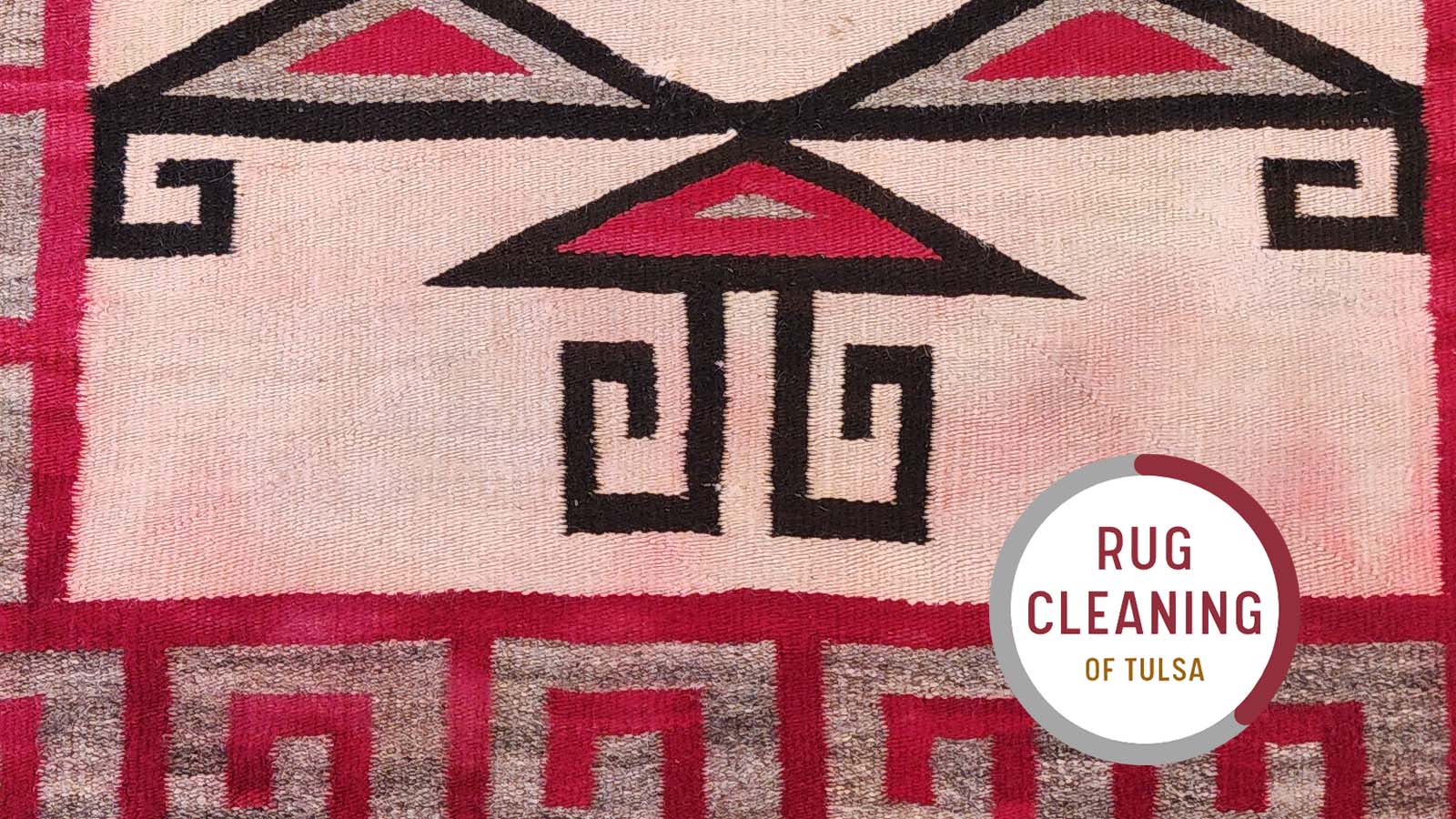
A red border may bleed into a cream field. Dark dyes may transfer into fringe. A small spill may leave behind a cloudy or discolored area. Sometimes the change is subtle. Other times, it can be very noticeable.
This type of problem is often called color bleeding, dye bleeding, dye migration, or dye transfer.
Color bleeding does not happen with every rug, but when it does, it can be difficult or impossible to correct completely. That is why rug owners should understand what causes it and why professional rug cleaning should begin with careful inspection and dye testing.
Rug Cleaning of Tulsa helps homeowners throughout Tulsa and the surrounding area care for Oriental rugs, wool rugs, handmade rugs, specialty rugs, and other area rugs. When color is involved, experience matters.
What Is Color Bleeding?
Color bleeding happens when dye moves from one area of a rug into another area where it does not belong.
For example, red dye may move into a lighter background. Blue or black dye may transfer into fringe. A dark design may blur into a nearby lighter section.
This is different from normal color variation, shading, pile direction, or abrash. Those characteristics can affect how a rug looks, but they are not the same as dye moving out of place.
True color bleeding usually means the dye has become unstable or has been disturbed by moisture, chemistry, cleaning products, pet urine, or other conditions.
Why Some Rug Dyes Become Unstable
A well-made rug with properly set dyes may clean beautifully when handled correctly. However, not all rugs are made with the same dye quality, materials, or construction.
Some dyes are less stable than others. This can be especially true with certain handmade rugs, older rugs, poorly dyed rugs, heavily saturated colors, or rugs that have been exposed to previous cleaning attempts.
Dye stability can be affected by the type of dye used, how the dye was applied, how well it was rinsed or set, the rug’s fiber type, and the rug’s age and condition. Prior exposure to moisture, pet urine, spills, harsh cleaners, or chemical residues can also change how a rug responds when it gets wet.
Even two rugs that look similar may respond very differently to cleaning.
Moisture Can Trigger Dye Movement
Water is one of the most common triggers for dye bleeding.
That does not mean rugs should never be washed. Many rugs can and should be professionally washed when appropriate. The key is knowing the rug’s dye behavior before cleaning and using a process suited to that rug.
Problems often happen when a rug gets wet unexpectedly or is cleaned improperly. Spills, pet accidents, water from plants or vases, leaky windows, plumbing leaks, over-wetting, rental machines, and leaving a damp rug on the floor too long can all increase the risk.
If unstable dyes are exposed to too much moisture, they may loosen and move into nearby fibers.
Store-Bought Cleaners Can Make Bleeding Worse
Many homeowners try to treat spots with products they already have under the sink.
Unfortunately, some store-bought cleaners are too harsh for fine rugs. Others leave residues, change pH levels, or react poorly with certain dyes and fibers.
A product that seems safe on carpet may not be safe on an Oriental rug, wool rug, silk rug, viscose rug, or handmade rug.
Harsh spot cleaners, oxygen-based products, bleach-based products, laundry products, high-pH cleaners, vinegar, peroxide, baking soda, and dish soap can all create problems depending on the rug. In some cases, they may cause color loss. In others, they may destabilize dyes and contribute to bleeding.
Pet Urine Can Affect Rug Dyes
Pet urine is one of the most serious causes of rug damage.
Urine can affect dyes, fibers, odor, and texture. As it ages, it can become more alkaline and more difficult to remove. It may also cause color change, dye movement, yellowing, or permanent staining.
If a pet accident happens on a rug with unstable dyes, moisture and urine chemistry can both increase the risk of bleeding.
This is especially important near borders, fringe, and lighter fields where dye movement may be more visible.
Fast action matters. Blot the area gently, avoid scrubbing, avoid harsh cleaners, and contact a professional rug cleaner for advice.
Improper Cleaning Can Cause Dye Migration
Area rugs should not be treated like wall-to-wall carpet.
A rug may have wool pile, cotton foundation, silk highlights, unstable dyes, latex backing, glued construction, or other details that require special care. Some rugs can be washed thoroughly. Others need a more controlled approach.
Improper cleaning can cause dye migration when a rug is over-wet, cleaned with the wrong products, left damp too long, exposed to excessive heat, or cleaned without proper dye testing.
Before cleaning, a rug cleaner should evaluate the rug’s fibers, dyes, construction, soil level, stains, odor concerns, and overall condition. Dye testing helps determine whether special precautions are needed before cleaning begins.
Can Color Bleeding Be Fixed?
Sometimes color bleeding can be improved. Sometimes it cannot.
The outcome depends on the rug, the dyes, the fibers, how long the dye has been out of place, what caused the bleeding, and whether previous cleaning attempts made the problem worse.
Fresh dye migration may be easier to address than older bleeding that has set into the fibers. Even then, correction can be delicate and should be handled by someone with rug care experience.
It is also important to understand that cleaning and color correction are not the same thing. Regular cleaning removes soil and contamination. Color correction is a more specialized process, and not every rug is a good candidate.
How to Reduce the Risk of Color Bleeding
You cannot control how a rug was originally dyed, but you can reduce the chances of making a dye problem worse.
A few smart habits can help:
- Blot spills quickly with a clean white towel.
- Avoid scrubbing the rug.
- Do not use bleach, peroxide, harsh spot cleaners, or online cleaning mixtures without professional guidance.
- Avoid rental carpet cleaning machines on area rugs.
- Do not leave a damp rug on the floor.
- Keep plants and water sources off or away from rugs.
- Address pet accidents as quickly as possible.
- Have rugs professionally inspected before cleaning.
If you are unsure what to do after a spill or pet accident, calling a professional is safer than guessing.
Professional Rug Cleaning and Dye Testing in Tulsa
Color bleeding is one of the reasons professional rug cleaning should never be a one-size-fits-all process.
Every rug has its own construction, fiber type, dye behavior, age, condition, and history. A careful inspection helps identify risks before cleaning begins.
Rug Cleaning of Tulsa provides professional rug cleaning, rug repair, rug protection, pet odor treatment, moth treatment, custom-fit rug pads, storage wrap, and pick-up and delivery for customers in Tulsa and the surrounding area.
If you are concerned about color bleeding, dye transfer, pet accidents, spills, or changes in your rug’s appearance, contact Rug Cleaning of Tulsa for helpful advice and professional rug care.
PROFESSIONAL CLEANING AND REPAIR MAKE A DIFFERENCE
Rugs can hold a surprising amount of dirt without looking dirty on the surface. Regular professional washing every two to three years helps protect the structure and longevity of your rug.
At Rug Cleaning of Tulsa, we also offer expert area rug cleaning and repair, and we frequently work with rugs damaged by improper vacuuming. Every rug and situation is different, so the best next step is always a conversation.
If you have questions about caring for your rugs or would like to schedule professional cleaning or repair in Tulsa, contact Rug Cleaning of Tulsa. We are always happy to help.


