Oriental Rugs and Persian Rugs: What Tulsa Homeowners Should Know
Many Tulsa homeowners own area rugs that came into their homes years ago, sometimes through a family member, an estate sale, or a previous home purchase. In those situations, it is common not to know where a rug was made, how old it is, or what type of care it has received over the years.
At Rug Cleaning of Tulsa, we regularly help homeowners identify rugs and understand how origin and construction affect cleaning and long-term care. One of the most common questions we hear is whether a rug is Oriental or Persian, and why that distinction matters when it comes time for professional washing.
What People Are Referring to When They Say “Oriental Rug”
The term “Oriental rug” is used to describe handmade rugs produced across broad regions of Asia and parts of the Middle East. These rugs come from established weaving areas such as:
- Turkey
- India
- China
- Pakistan
- Nepal
- Tibet
- Iran
Each region has its own weaving traditions, materials, and design influences. Most Oriental rugs are woven by hand using wool or silk and colored with natural dyes. The patterns often reflect regional history, local symbols, or cultural themes rather than modern design trends.
In Tulsa homes, these rugs are commonly found in living rooms, dining rooms, and entryways, where soil and grit slowly work their way deep into the fibers. Surface cleaning alone does not remove this embedded debris.
Where Persian Rugs Fit Into the Conversation
Persian rugs are a specific category within the larger Oriental rug group. A rug is considered Persian if it was woven in Persia, which is modern-day Iran.
These rugs are known for their detailed designs, consistent craftsmanship, and dense knotting. Many Persian rugs found in Oklahoma homes today were woven decades ago and have already seen years of use. Their construction allows for fine detail, but it also means they require careful handling during washing and drying.
Because authentic Persian rugs already in the United States cannot be easily replaced, proper care helps preserve both their appearance and their long-term value.
What Oriental and Persian Rugs Have in Common
Although they come from different regions, Oriental and Persian rugs share several characteristics that influence how they should be cleaned:
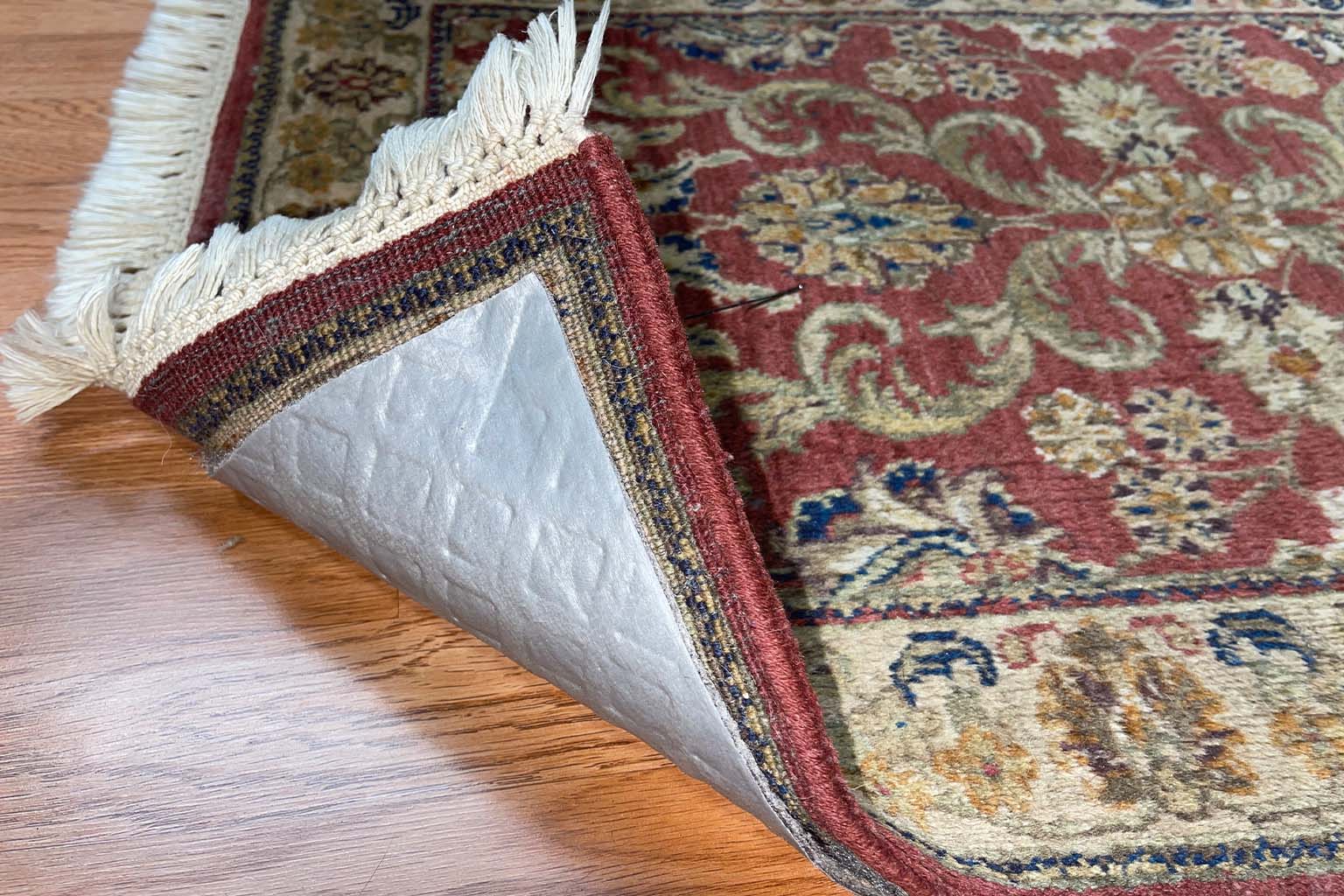
- Handwoven construction rather than machine-made backing
- Wool or silk fibers that trap soil below the surface
- Natural dyes that respond best to controlled washing
- A foundation that benefits from periodic deep cleaning
In northeast Oklahoma, fine dust, allergens, and everyday grit gradually settle into rugs over time. If not removed, that buildup affects both the look of the rug and the condition of the fibers.
Construction Differences That Affect Cleaning
The way a rug is woven plays a major role in how it should be washed. Many Oriental rugs use symmetrical knotting techniques, while Persian rugs often use asymmetrical knots that allow for greater detail. Persian rugs also tend to have higher knot density.
These differences affect how water flows through the rug, how agitation should be applied, and how drying needs to be managed. Cleaning without accounting for these factors increases the risk of dye movement, fiber distortion, or fringe damage.
This is why proper inspection and evaluation are important before any rug is cleaned.
Professional Rug Washing for Tulsa and Surrounding Areas
At Rug Cleaning of Tulsa, rugs are cleaned in a controlled environment designed specifically for fine area rugs. This process allows embedded soil, residues, and odor-causing materials to be removed thoroughly while protecting fibers and dyes.
Rugs used in everyday living spaces can hold a surprising amount of grit that regular vacuuming cannot reach. Professional washing helps remove that buildup and supports the long-term condition of the rug.
We serve homeowners throughout Tulsa and nearby communities who want their rugs cleaned with methods appropriate for handmade construction.
Caring for Handmade Rugs in the Tulsa Area
Oriental and Persian rugs benefit from regular evaluation and professional care. Understanding where a rug was made and how it was constructed helps determine the safest cleaning approach and helps prevent avoidable damage.
If you have a handmade rug in Tulsa or the surrounding area and are unsure about its care needs, Rug Cleaning of Tulsa can help assess and clean it using methods suited to fine area rugs.