
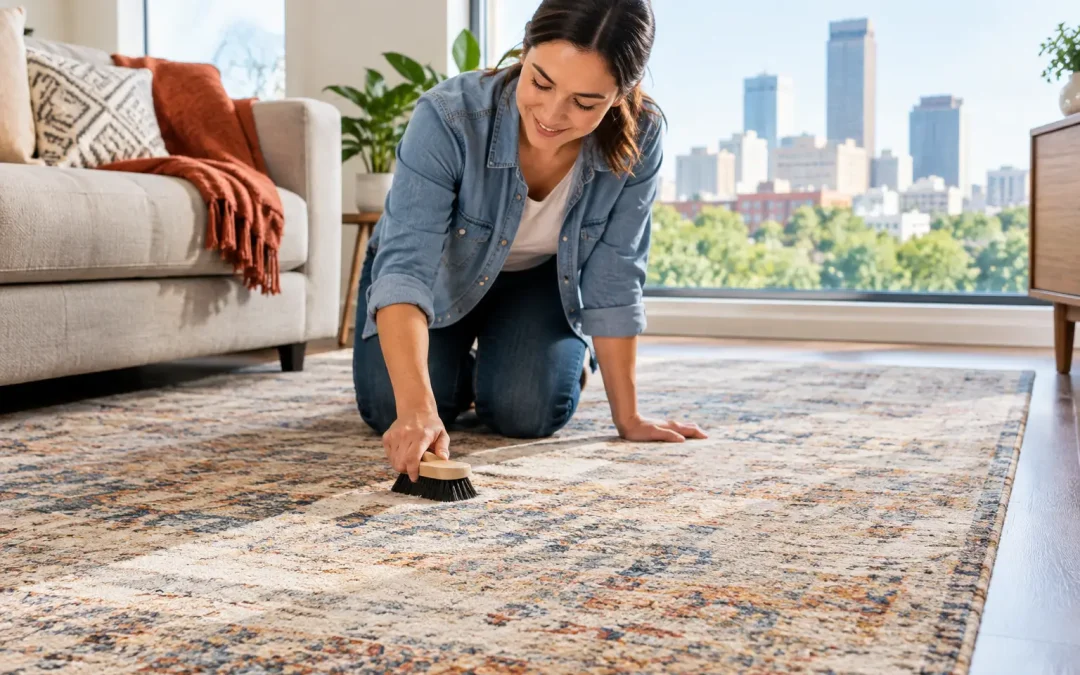
A rug can look faded long before it is worn out. In many Tulsa homes, direct window light, everyday foot traffic, and harsh spot treatments quietly pull color from wool, Oriental, Persian, and other area rugs. Knowing how to prevent rug fading helps protect the beauty, fibers, and value of a rug you love – whether it is a busy family-room rug or an heirloom passed down through generations.
Fading is not always a sign that a rug is dirty or poorly made. Some color loss comes from normal exposure over time. The goal is to slow that process down, avoid preventable damage, and catch trouble before a once-rich pattern starts looking washed out.
Why Rugs Fade in the First Place
Sunlight is the biggest culprit. Ultraviolet rays break down dyes and fibers, especially in areas that receive strong afternoon sun. A rug placed near a south- or west-facing window may fade unevenly, leaving bright sections where sunlight hits and deeper color beneath furniture or along the room’s edge.
Heat adds to the problem. Oklahoma summers can bring intense light through windows, and a sunny room can become much warmer than the rest of the house. That combination of UV exposure and heat is hard on natural fibers, including wool, silk, cotton, and many vegetable-dyed rugs.
Soil also changes how a rug looks. Fine grit settles deep into the pile and creates abrasion every time someone walks across it. Over time, the fibers can become dull and worn, which is often mistaken for fading. Pet accidents, spills, bleach-containing cleaners, and overly aggressive scrubbing can cause true color loss in a matter of minutes.
How to Prevent Rug Fading From Sunlight
The best protection is simple: reduce direct exposure before it has months or years to do damage. You do not need to keep your home dark, but a few thoughtful adjustments can make a major difference.
Use blinds, curtains, shades, or UV-filtering window film on windows that cast strong light onto the rug. Sheer curtains can soften light while keeping a room bright, while lined drapes provide more protection for rugs near large windows. If you are choosing window treatments primarily for a valuable antique or silk rug, ask about products designed to filter UV rays rather than relying on appearance alone.
Rotate the rug every three to six months. Rotation helps distribute light exposure and foot traffic so one end does not age faster than the other. This is especially helpful beneath a dining table, in a living room with wide windows, or in an entry where one side of the rug gets daily use.
Furniture placement matters, too. A sofa should not be the only thing protecting one section of a rug from light. When possible, shift furniture slightly during your regular rotation. You are not trying to make every square inch receive the same sun. You are preventing a sharp, obvious line between protected and exposed areas.
For rooms with very intense sun, consider moving a delicate rug away from the window entirely. A durable synthetic or lower-value washable rug may be a better fit in that particular spot. This is a practical trade-off, not a failure of the rug. A fine Persian or silk-blend rug can still be enjoyed in a bright home, but it deserves a location that respects its materials.
Keep Dirt From Dulling the Color
Regular vacuuming protects more than cleanliness. It removes the dry soil that acts like sandpaper in the rug pile. Once grit is ground into the foundation, the rug may look gray, flat, or faded even if the dyes are still intact.
Vacuum both sides when appropriate, but be careful around fringe. Fringe can get caught in a beater bar and pull away from the rug foundation. For delicate handmade rugs, use suction only or turn off the beater bar if your vacuum allows it. Avoid repeatedly vacuuming the same area with a high-powered setting, especially when the pile is low or the fibers are already fragile.
A quality rug pad also helps. It reduces slipping, cushions foot traffic, and limits wear caused by the rug rubbing against the floor beneath it. In homes with pets or young children, a pet urine barrier pad can add another layer of protection by helping keep accidents from soaking through to the floor and backing.
Watch for these common sources of color-dulling soil:
- Fine dust and grit tracked in from driveways, patios, and entryways
- Pet hair, dander, and oily residue around favorite sleeping spots
- Food crumbs and spills under dining tables and coffee tables
- Residue left behind by store-bought spot cleaners
- Moisture and soil carried in during rainy weather
A rug may need professional washing even when it does not look obviously dirty. Dust and dry soil settle below the visible surface, where household vacuuming cannot fully remove them. Proper washing can restore brightness by removing embedded contaminants without stripping color from the fibers.
Be Careful With Spot Cleaning
The wrong cleaning product can create a faded patch that stands out more than the original spill. Bleach, peroxide, alkaline cleaners, dish soap, and some stain removers can affect dyes, particularly on wool and handmade rugs. Even products labeled safe for carpet are not automatically safe for every area rug.
When a spill happens, blot it right away with a clean white towel. Press down to absorb moisture, then move to a dry section of the towel and repeat. Do not scrub. Scrubbing can spread the stain, roughen the pile, and push liquid deeper into the rug.
Use plain cool water sparingly if needed, and blot again. Avoid soaking the rug or using hot water, which can set certain stains and may affect delicate fibers. If the spill involves pet urine, red wine, coffee, grease, or a mystery stain, professional treatment is often the safer choice. Pet urine is particularly tricky because the odor-causing salts can remain deep in the fibers and backing long after the surface seems dry.
Color bleeding deserves quick attention. If dye transfers to a towel after blotting, stop adding moisture and avoid home remedies. The rug needs careful handling before the dyes migrate farther into lighter areas.
Choose Gentle Cleaning Over Quick Fixes
Not every rug should be cleaned the same way. Wool, cotton, silk, viscose, synthetics, antique rugs, and machine-made rugs all respond differently to water, agitation, and cleaning solutions. A one-size-fits-all carpet cleaning method can leave residue, distort fibers, or affect color stability.
Professional rug care should begin with identifying the rug’s fiber type, construction, dye condition, and specific issues. A heavily used wool rug may benefit from a thorough wash that removes soil safely. A color-sensitive Oriental rug may require more controlled methods. A rug with pet contamination needs odor treatment that reaches below the pile, not just a surface deodorizer.
This is where individualized care protects appearance over the long term. Rug Cleaning of Tulsa evaluates each rug before choosing a cleaning approach, using gentle processes designed to preserve fibers and color. For homeowners, complimentary pickup and delivery also means you do not have to fold, drag, or risk damaging a large rug in the back of a vehicle.
Protect Rugs During Storage and Seasonal Changes
Never store a rug while it is damp, even if it only feels slightly moist. Trapped moisture can lead to mildew, odor, fiber damage, and discoloration. Before storage, make sure the rug is clean, fully dry, and rolled rather than folded. Folding creates hard creases that can weaken fibers over time.
Avoid storing rugs directly on concrete floors, in humid sheds, or in attics with major temperature swings. Basements and garages can also be risky if moisture or pests are a concern. Moths are attracted to natural fibers and can cause bare spots that make a rug appear uneven and faded. Clean rugs are less appealing to moths because food residue, pet hair, and body oils have been removed.
If you are packing away a rug for a season, inspect it occasionally. Look for insect activity, musty odors, new discoloration, or loose fringe. Small repairs and preventive treatment are much easier than restoring a rug after significant damage.
When Fading Needs a Professional Eye
Some apparent fading is actually surface soil, pile wear, or residue and may improve dramatically with proper washing. Other color loss is permanent, especially if it came from years of direct sunlight or a chemical spill. An experienced rug specialist can help tell the difference and recommend the most sensible next step.
Call for an assessment if you notice a sharp pale area near a window, uneven color beneath moved furniture, dye bleeding, stiff or crunchy fibers after a spill, or an overall gray cast that vacuuming does not improve. It is better to ask early than to experiment with a cleaner that creates a bigger problem.
Your rug does not need to live under plastic or stay hidden from daily life. Give it sensible sun protection, routine care, a good pad, and gentle cleaning when it needs it. With that kind of attention, the colors that make your home feel like home can stay rich and inviting for many years.